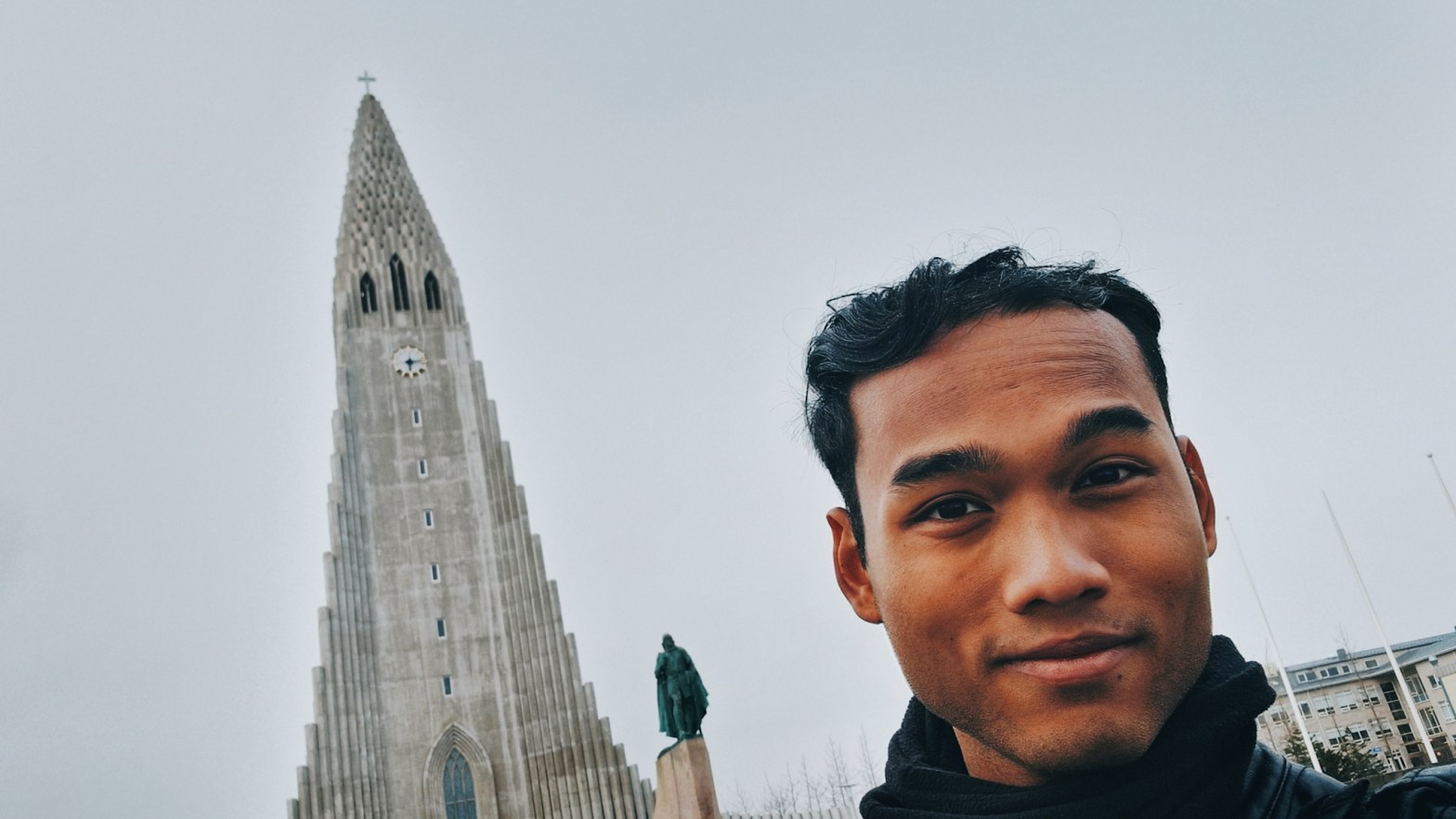
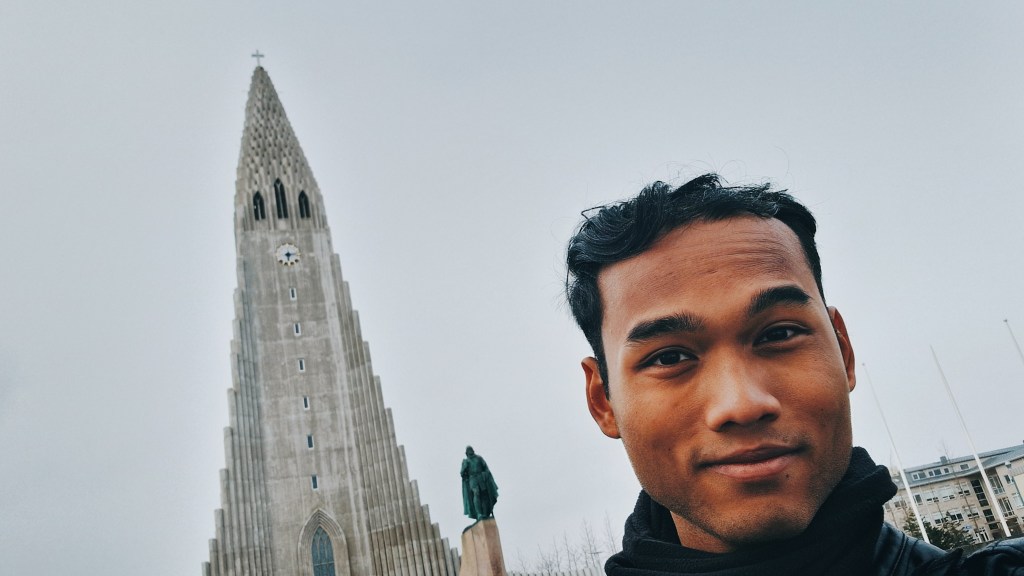
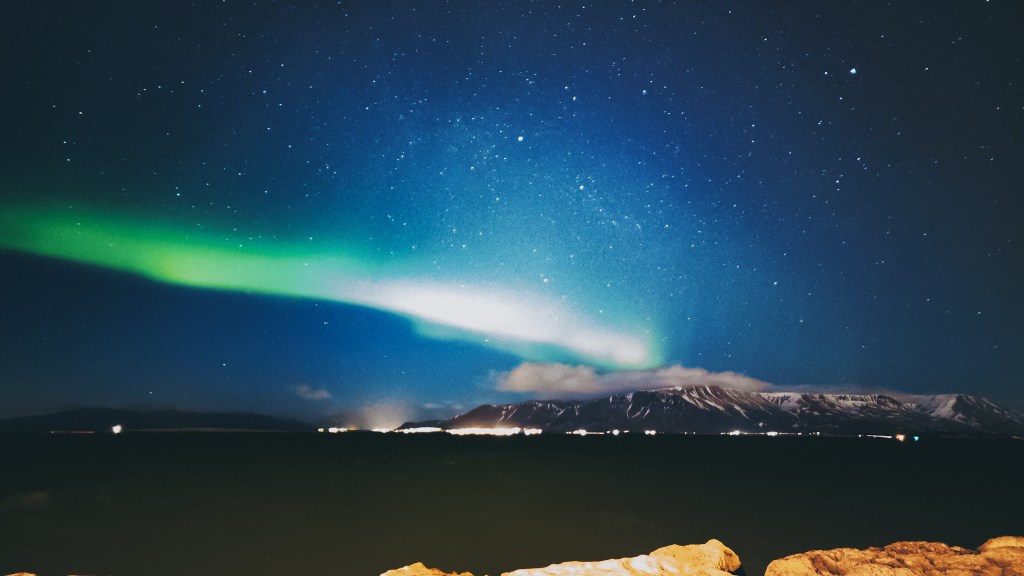
In the first week of April, I planned a trip to Iceland during my spring break! I chose to visit at that time due to the higher chances of being able to see the Northern Lights, which was my main motivation for visiting the country. Incidentally, it also happened to be the first week of Ramadan. This was not the first time I was celebrating Ramadan overseas (the first time was in South Korea), but this was the first time I will be fasting longer hours than I am used to.
Why The Long Fasting Time?
Given Iceland’s geographic location close to the Arctic Circle, it experiences a unique day/night cycle. In the summer months, between May and August, the country experiences long daylight hours with the sun setting for an average of 3 hours every night. In the winter months, the country experiences short daylight hours with the maximum being 5 hours in December. When I was in Iceland, on average, I had to fast for 17 hours as Iceland transited from Spring to Summer.
Given the transition, my fasting time increased by 4-5 minutes every day over the week. For instance, when I first arrived, I had to stop eating Sahur at 3:33am and have my Iftar at 8:29pm. On my final day, I had to stop eating Sahur at 3:22am and have my Iftar at 8:50pm.
What Was Unique About Fasting in Iceland?
Even though Iceland is a small country, given the high latitude, there is a huge difference in fasting timings for cities/towns in the north of Iceland and the south. For example, in Raufarhöfn, on my first day, the Sahur cut-off time was at 2:54am while the Iftar timing was at 8:45pm. Compared with Reykjavik, which is located in the South-West, that is a difference of about 1hr of fasting time.
Another interesting experience that I had fasting here was that even though the fasting hours were long, I didn’t feel particularly hungry or tired even towards the end of the day. A big blessing here was the cold climate which helped me a lot.
Another change that I made as compared to fasting back in Singapore is that some days, I would either eat my Sahur before going to bed or I would stay awake the whole night, have my Sahur and prayers before going to sleep. And I didn’t mind going to bed because this I had a view of the Northern Lights from the front of my hotel!
Was it Easy to Find Food in Iceland?
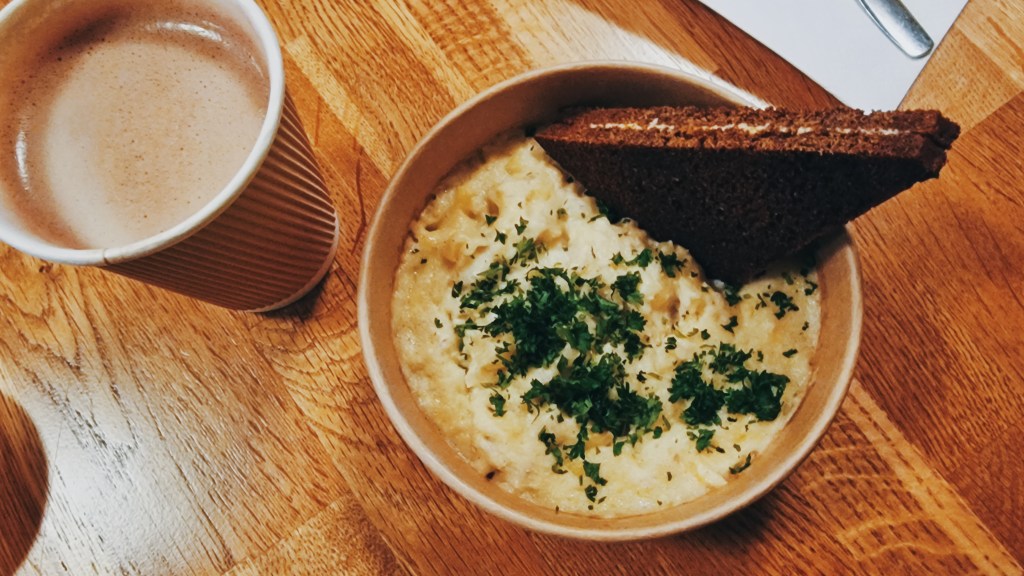
Yes, it was! Iceland’s cuisine is based on a fish diet given its location as well as its history. There are plenty of restaurants as well within walking distance of each other so looking for one isn’t an issue. However, do check with the omission of the addition of ingredients such as white wine. One of my favorite dishes that I had there was the Fish Stew, which was mashed fish and potatoes served with bread.
What Did I Do in Iceland?
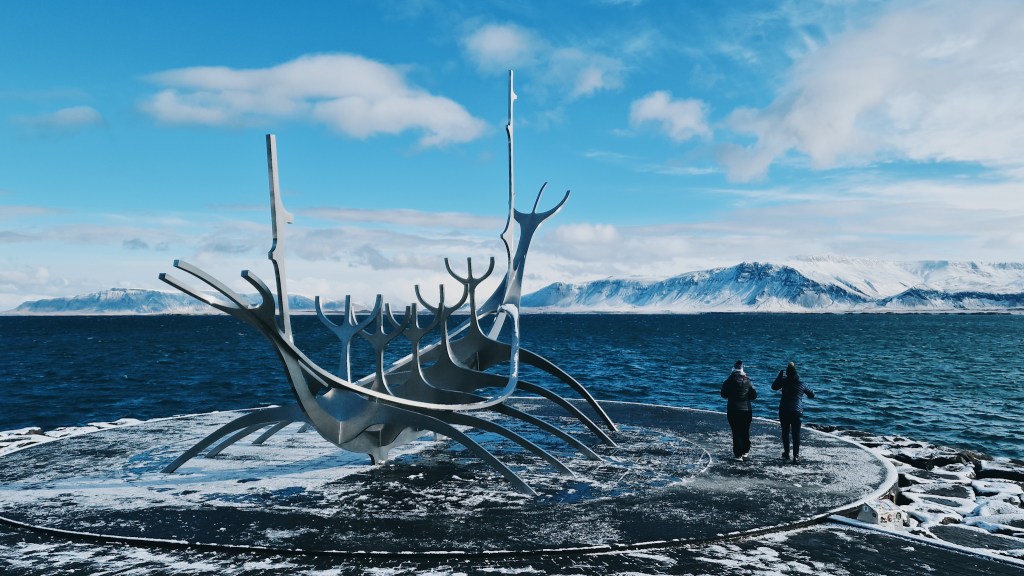
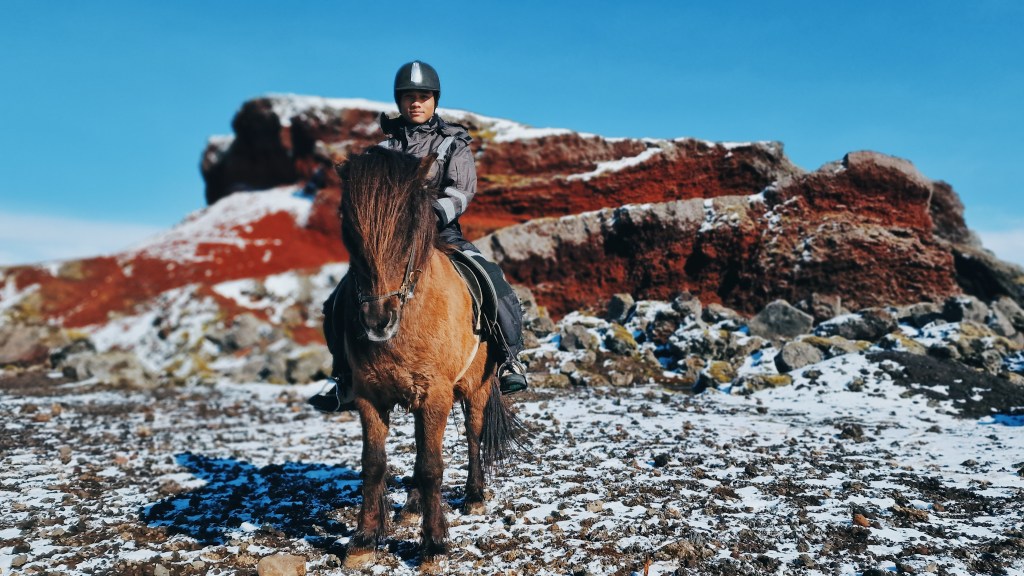
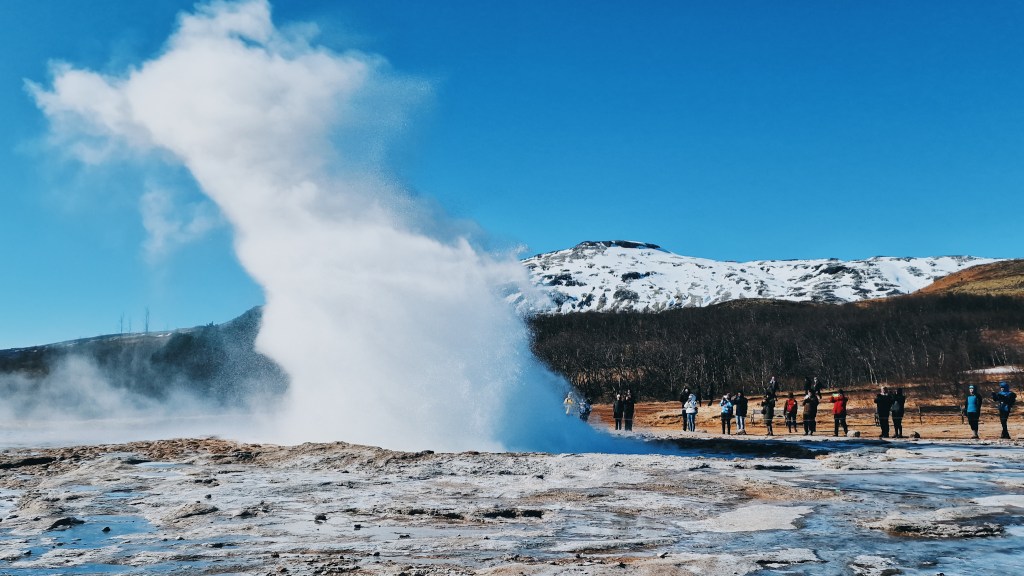
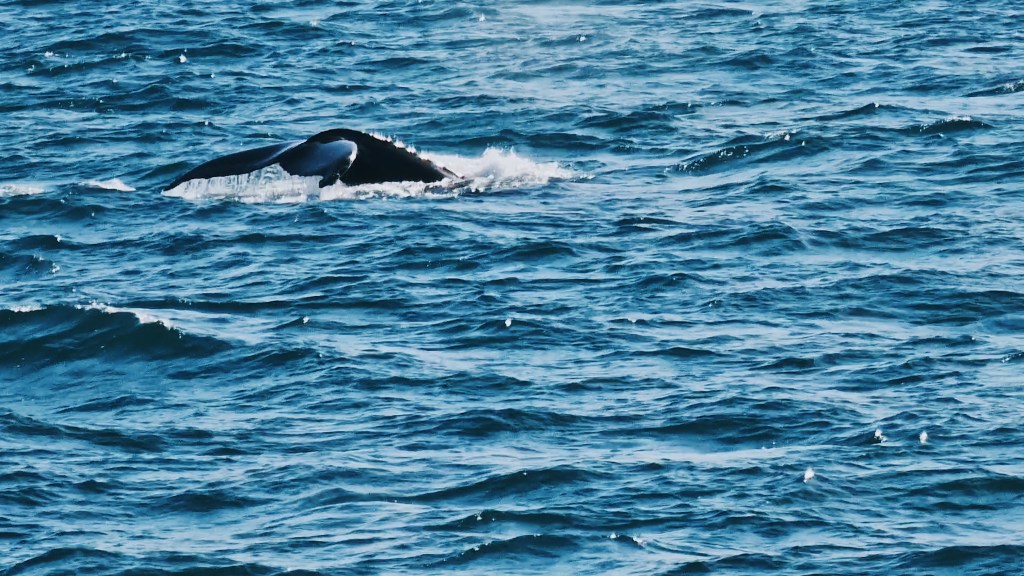
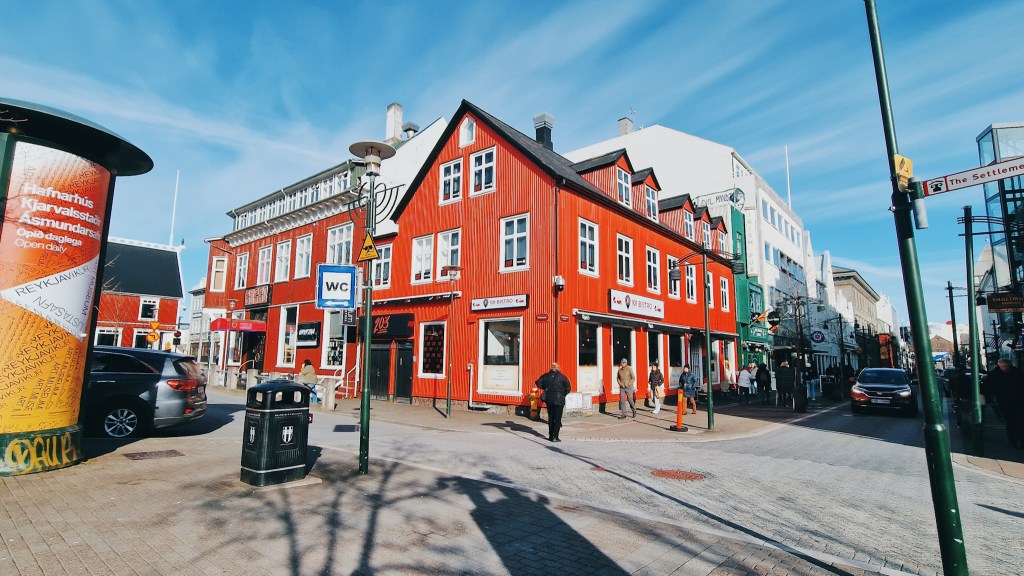
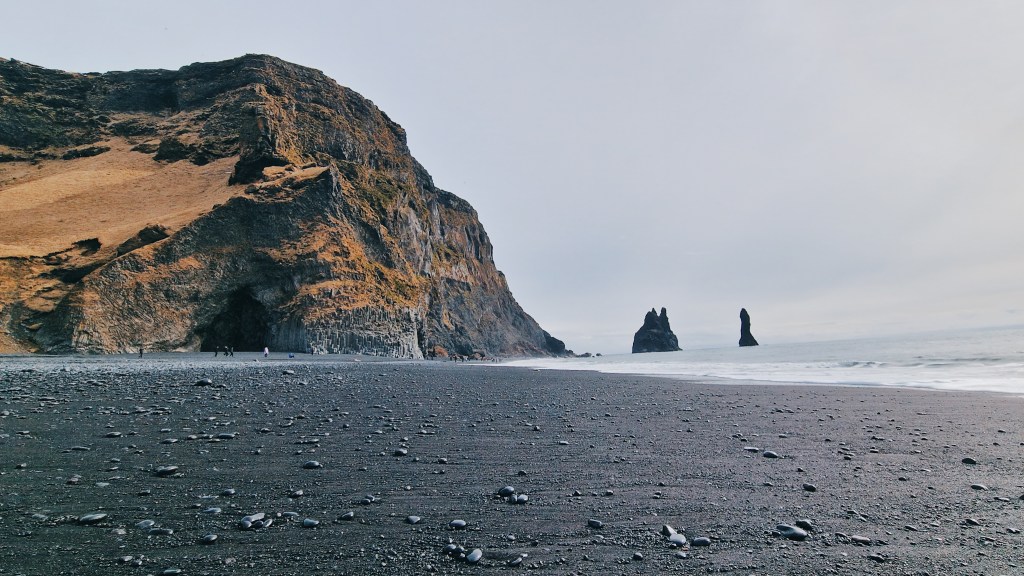
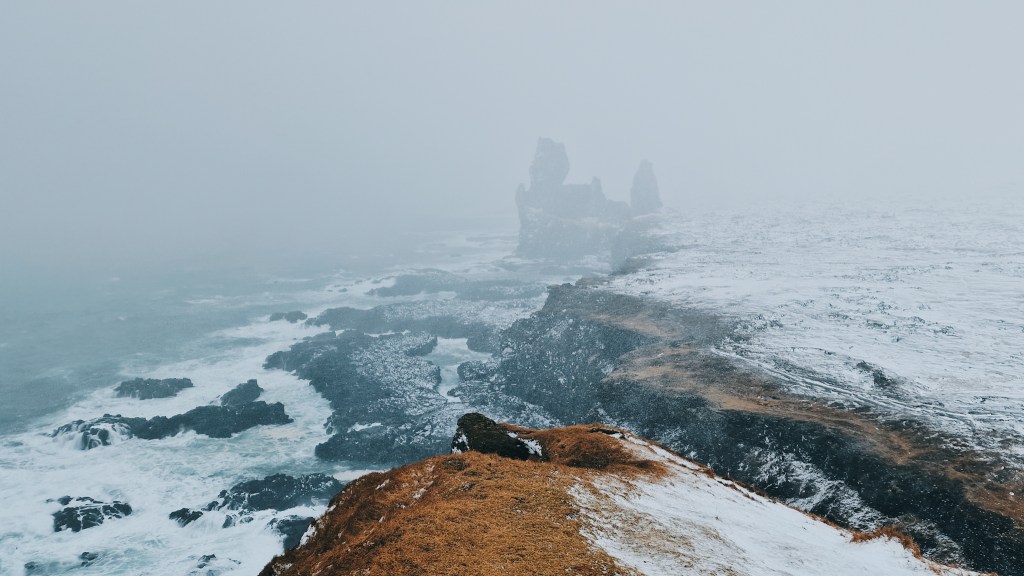
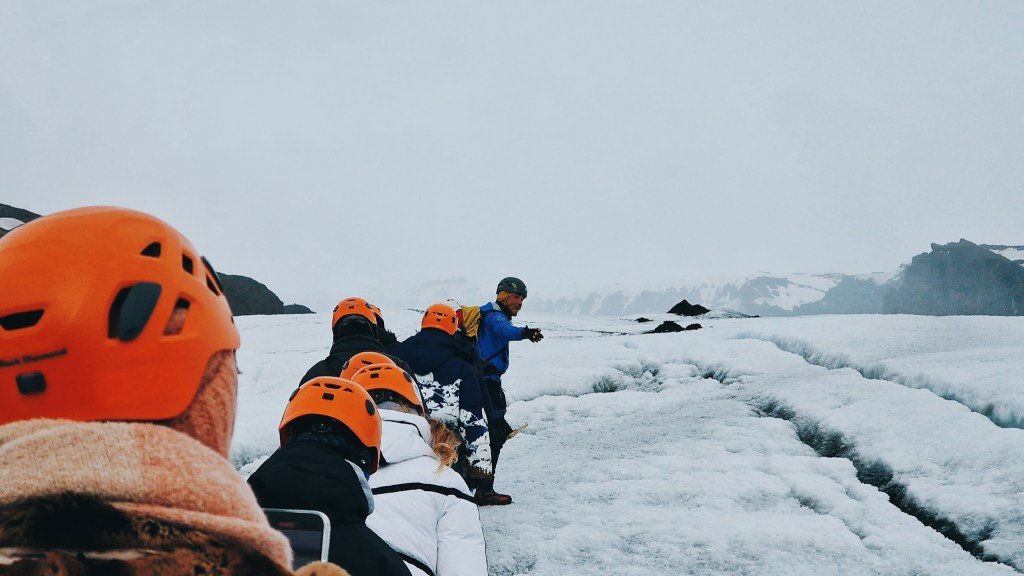
Other than the Northern Lights, I went to do a lot of sightseeing and outdoor activities! Some of the things I did included exploring Reykjavik, doing whale watching, riding a horse around lava formations, doing a tour of the south coast, the Snæfellsness Peninsula and the Golden Circle, and hiking atop a glacier on top of an active volcano! Iceland is a very beautiful place with its geological and volcanic formations, waterfalls and glaciers, and I really do encourage you to visit whenever you have the chance to!
Dan is a Master’s student majoring in Air Transport Management at the University of Surrey, Guildford, UK.
 Singapore Muslim Students Overseas, United Kingdom